Why the drawings exist at all:
Casually changing just one or two circuits to a manufacturer's original electrical design can present some head scratching, but bringing a 1955 vehicle (as far as is sensible) up to twenty first century standards, without documentation of the electrical changes along with wiring diagrams, would present a major problem to future owners and a significantly larger bill from the unfortunate auto electrician tasked with fault finding.
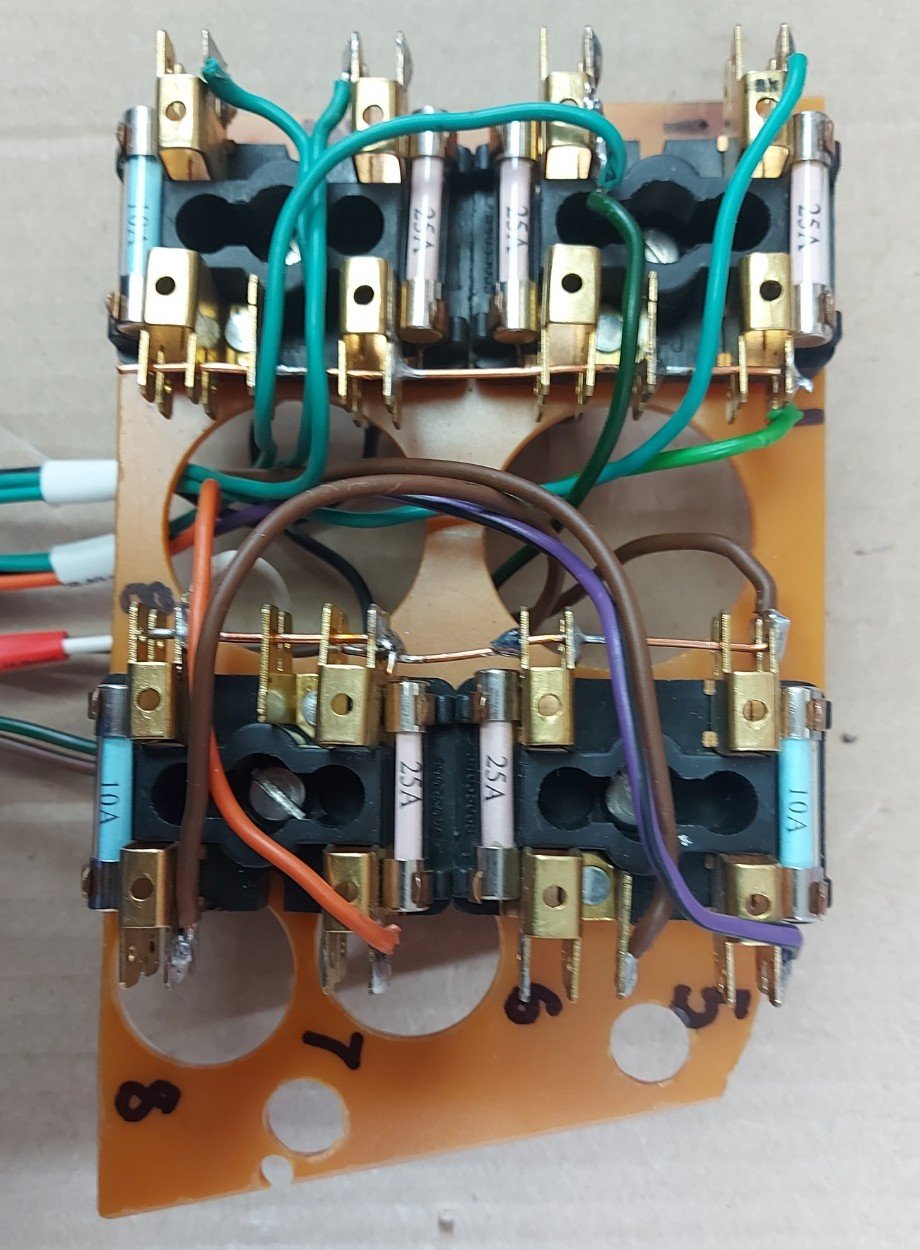
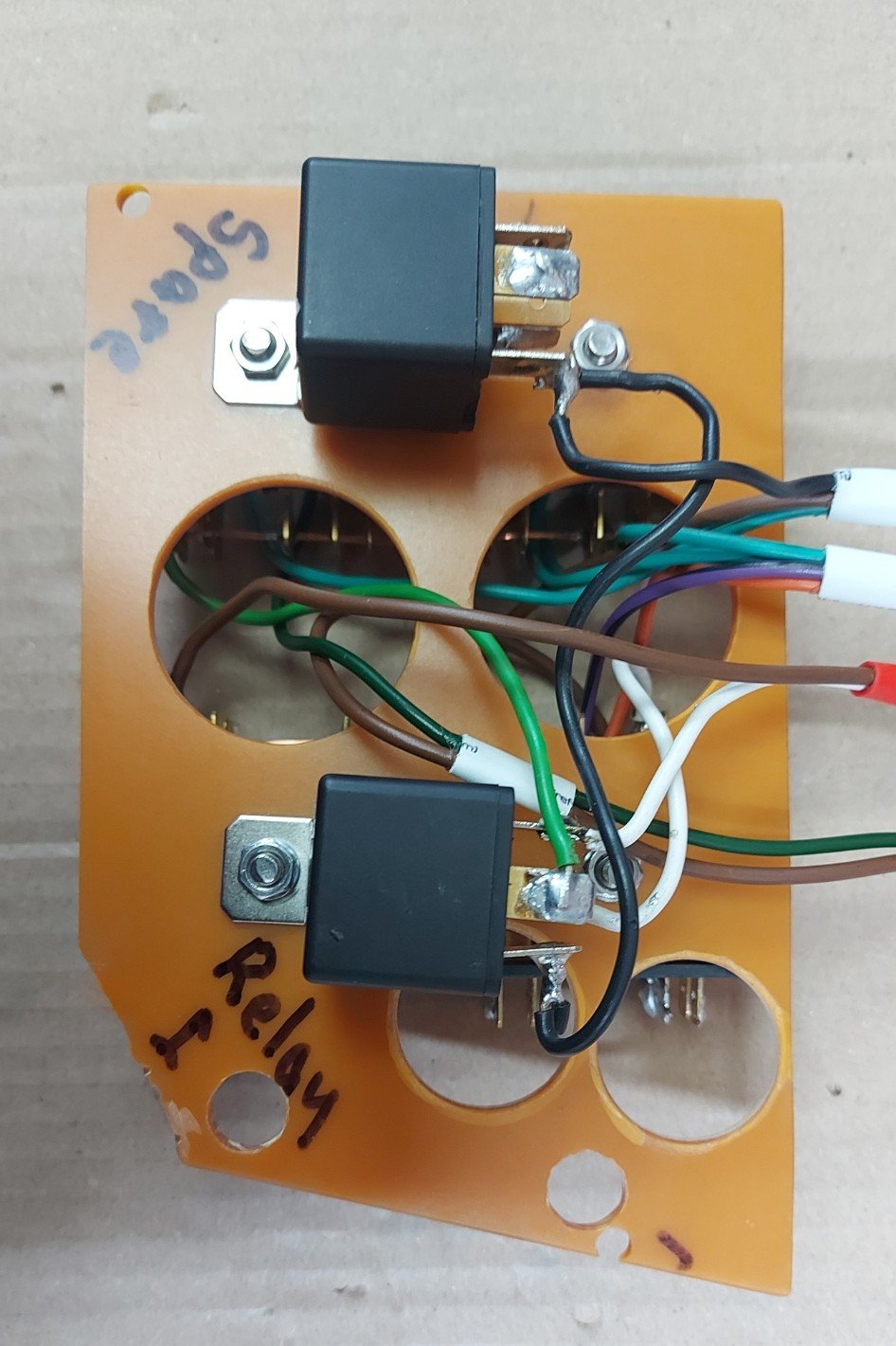
The original loom was retained with minor alterations. A second loom was made for every addition and upgrade, including spare cables run from the central console to the boot and to each side of the engine bay for whatever comes next.
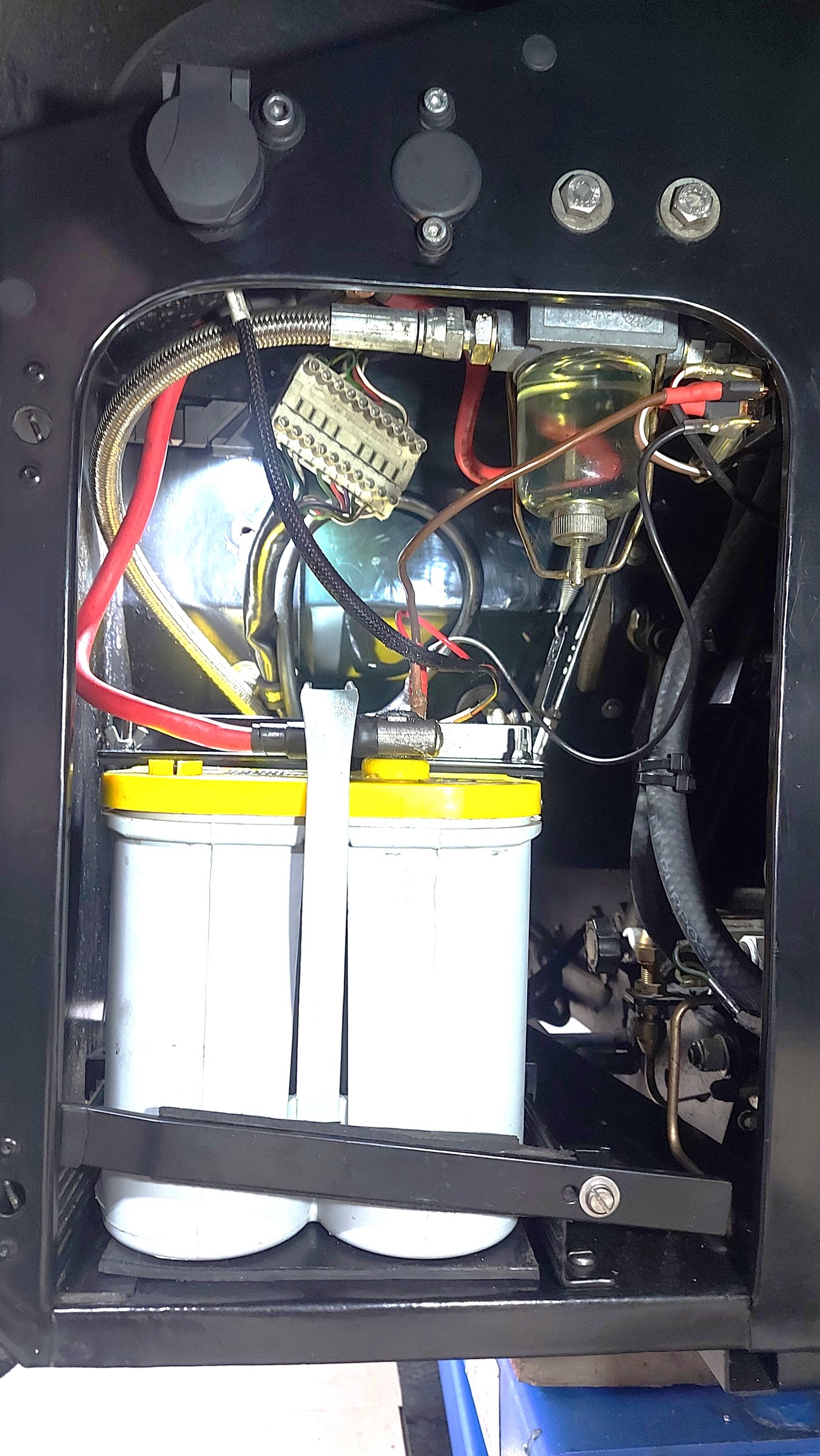
The car went to negative earth for compatibility with modern electronics, alternators and relays, and to reduce electrolytic corrosion. The two six-volt batteries became one twelve-volt in the offside box; the nearside box now holds a Mazda MX5 heater blower.
The most useful thing he added
Battery voltage, once understood, can provide an excellent indication of electrical health or otherwise, making the battery voltage display with increments of 0.1 volts an extremely useful diagnostics tool.
What the numbers mean: 12.5 to 12.8 volts with the ignition off on a charged battery; about 10.5 while cranking; around 14.4 for a minute or two after starting as the alternator replaces what the starter took; settling to about 13.4 in normal running; falling 0.2 to 0.3 volts as the radiator fan, heater fan and headlights come on; and below 12.0 if everything is switched on at once, because the alternator is rated at 50 amps and the total load is about 60.